
Schedule
| Days | Hours | Preus | Observation | |
|---|---|---|---|---|
|
Every day except 24 and 31 December. Closed on 25 and 26 December and 1 and 6 January. |
From 10.00 am to 8.00 pm |
General admission: €10
Reduced: €5 - People aged 65 or over - Students (under 25) with a valid student card - Unemployed people (with accreditation) - People with a recognised disability of 33% or more, and one companion - Carnet de Biblioteques de Barcelona - ONCE members - Carnet Jove - Staff of the bodies that make up the Consorci de les Drassanes Reduced: €8 - Groups of more than 10 people - Large or single-parent families (with accreditation) Free admission: - Sundays from 3 pm onwards - Members of Amics Museu Marítim - Members of ICOM - Members of ICCM - Members of the Associació Museòlegs Catalunya - Under 17s - 12 February (Santa Eulàlia) - 18 May (International Museum Day) - 24 and 25 September (La Mercè) |
Tickets must be purchased in person at the Museum ticket offices. Online ticket sales are not available. Museum access via Plaça del Portal de la Pau. Last admission is 1 hour before closing. The individual ticket includes access to the temporary exhibitions and to the pailebot Santa Eulàlia. Temporary exhibitions in the lobby and the Espai Mirador are free of charge. | |
|
24 December and
31 December |
From 10.00 am to 3.00 pm |
Others
- Occur on:
- Museu Marítim de Barcelona.
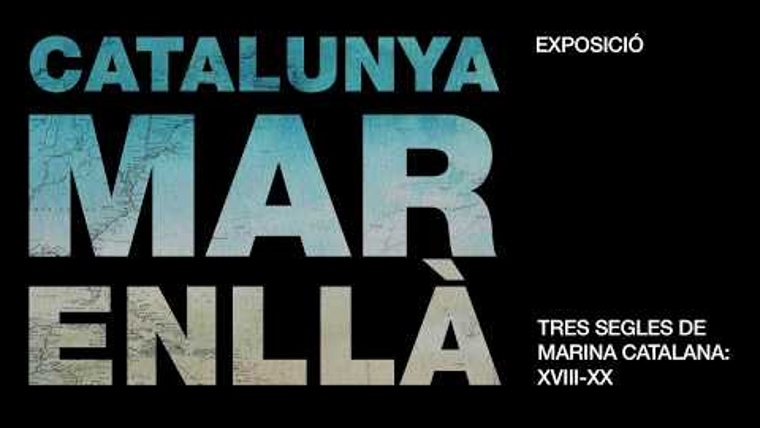
Catalunya mar enllà. Tres segles de marina catalana (s. XVIII–XX) aims to explain how a small country with scarce natural resources and a limited population at the beginning of the 18th century became an industrial power in southern Europe by the 19th century, and how maritime trade with the Americas contributed to this transformation. The exhibition also explores how trade and shipbuilding supported the major transformation and modernisation of Catalonia in the 19th century, and reflects on how people’s relationship with the sea has changed over time.
The exhibition begins at the start of the 18th century, when, after the War of the Spanish Succession, Catalonia saw all its governing institutions abolished and was left impoverished and devastated by war. Yet within just a couple of generations, the country experienced demographic and economic growth that not only allowed it to overcome stagnation but also to take a significant step forward. From the Junta de Comerç de Barcelona, founded in 1758, Antoni de Capmany—now regarded as a pioneer of European economic historiography—demonstrated through his historical studies that Catalonia had a deeply rooted tradition of navigation, trade and industry. This entrepreneurial spirit, now supported by a highly dynamic productive structure, made it possible to initiate a new cycle of progress and generate wealth across the territory. The country’s maritime past thus became an invaluable asset once again, and progress arrived, once more, by sea.
Among the most emblematic works from the Museu Marítim de Barcelona collection on display are the painting Nouvelle description de la Fameuse Ville de Barcelone cappitalle de la province de Catalogne (19th century); the model of the frigate Mataró, dated to the last quarter of the 18th century; the model of the frigate Barcelona from the second half of the 19th century; an 18th-century cargo transport chest; the model of the merchant frigate Diputación from the second half of the 19th century; a model of Ictíneo II made by the Museu Marítim workshop (1960); a spectacular scale model of the floating and depositing dock of the port (1929); the painting Moll de Sant Bertran, Port de Barcelona by A. Casals (1912); the model of the mail steamer Infanta Isabel de Borbón (1913); the Catalan fishing boat, or the Jean et Marie llagut, among many others.
Museu Marítim de Barcelona
- Address:
- Avinguda de les Drassanes, 1
- :
- Ciutat Vella
- Neighborhood:
- el Raval
- City:
- Barcelona
- When
 Permanent event
 Website
You may also be interested in...
-
Exposició "Diorama de Nadal"
 Where:
- Casal de Barri Comunitari Bac de Roda - Poblenou
- When:
- Del 10/12/2026 al 08/01/2027
-
Dols Queer. El museu acompanya el plor
- Where:
- Museu Nacional d'Art de Catalunya
- When:
- Permanent event
-
Exposició "Vacances a Escòcia"
- Where:
- Casal de Barri Comunitari Bac de Roda - Poblenou
- When:
- Del 02/10/2026 al 23/10/2026
-
‘Invisible Animals: legend, life, extinction and unextinction’
- Where:
- Museu de Ciències Naturals de Barcelona
- When:
- Del 17/05/2025 al 10/01/2027
-
Exposició "KAWS"
- Where:
- MOCO Museum
- When:
- Permanent event
-
Permanent exhibition: ‘Barcelona’s festive imagery: Giants, dwarf figures, beasts and puppets’
- Where:
- La Casa dels Entremesos-Centre de Producció i Difusió de Cultura Popular Tradicional de Barcelona
- When:
- Permanent event
-
‘Barcelona Plain 2026-2035’ scale model and ‘making of’ exhibition
- Where:
- Casa de l’Arquitectura de Barcelona - Antiga Seu Editorial Gustavo Gili
- When:
- Del 14/02/2026 al 13/12/2026
-
‘Living, coexisting and surviving: International Brigades and multiligualism’
- Where:
- Castell de Montjuïc
- When:
- Del 05/06/2026 al 30/03/2027
-
Exposició 'El cos vestit. Siluetes i moda (1550-2015)'
- Where:
- Disseny Hub Barcelona
- When:
- Permanent event
-
425 Aniversari dels Gegants del Pi
- Where:
- Activitats a diferents equipaments de la ciutat
- When:
- Del 01/01/2026 al 31/12/2026
-
‘They point to a spot (outside the perimeter of the cross-section of a tree to show that they come from the future)'
- Where:
- Fundació Privada Vila Casas - Can Framis - Fundació Vila Casas
- When:
- Del 27/05/2026 al 11/10/2026
-
‘Una força del passat’. Col·lecció d’Art Contemporani Fundació ”la Caixa”
- Where:
- CaixaForum Barcelona
- When:
- Del 23/09/2026 al 10/01/2027
-
Exhibition 'Una col·lecció permanentment canviant'
- Where:
- Fundació Privada Vila Casas - Can Framis - Fundació Vila Casas
- When:
- Permanent event
-
'Matter Matters. Designing with the World'
- Where:
- Disseny Hub Barcelona
- When:
- Permanent event
-
Exposició "Art Digital Immersiu"
- Where:
- MOCO Museum
- When:
- Permanent event
-
Exposició "Esplendor de la Noche"
- Where:
- MOCO Museum
- When:
- Del 12/03/2025 al 31/01/2027
-
‘Gaudí Code: The Untold Experience’
- Where:
- Espai Imagina
- When:
- Del 22/09/2026 al 09/12/2026
-
‘The Cult of Beauty’
- Where:
- Centre de Cultura Contemporània de Barcelona - Sala d'Exposicions
- When:
- Del 21/05/2026 al 08/11/2026
-
‘Joan Miró. Circles’
- Where:
- Fundació Joan Miró - Museu
- When:
- Del 13/03/2026 al 12/03/2028
-
Exposició 'Soc Assurbanipal, rei del món, rei d’Assíria'
- Where:
- CaixaForum Barcelona
- When:
- Del 18/11/2026 al 29/03/2027
-
Exposició permanent del Museu Picasso
- Where:
- Museu Picasso
- When:
- Permanent event
-
'Bosc Inundat'
- Where:
- CosmoCaixa Barcelona
- When:
- Permanent event
-
‘Sala Univers’
- Where:
- CosmoCaixa Barcelona
- When:
- Permanent event
-
Experiència immersiva "Catalunya: Patrimoni viu"
- Where:
- Palau Moja
- When:
- Del 09/12/2024 al 31/12/2026
-
Exposició 'Els museus de ciències naturals de Catalunya'
- Where:
- Museu de Ciències Naturals de Barcelona
- When:
- Permanent event
-
Exposició "the New FuTure"
- Where:
- MOCO Museum
- When:
- Del 12/03/2025 al 11/01/2027
-
‘Barcelona = (Diversity Intensity) x Complexity’
- Where:
- Casa de l’Arquitectura de Barcelona - Antiga Seu Editorial Gustavo Gili
- When:
- Del 12/03/2026 al 13/12/2026
-
'Espais esportius, memòria viva’ [Sports spaces, living memory]
- Where:
- Museu Olímpic i de l'Esport Joan Antoni Samaranch de Barcelona
- When:
- Del 16/06/2026 al 07/02/2027
-
Exposició 'Dissenyes o treballes? La nova comunicació visual. 1980-2003'
- Where:
- Disseny Hub Barcelona
- When:
- Permanent event
-
Exposició 'Barcelona al carrer. Veure i ser vist. La processó de Corpus'
- Where:
- Museu Diocesà de Barcelona
- When:
- Permanent event
-
Exposició "Mestres Contemporanis"
- Where:
- MOCO Museum
- When:
- Permanent event
-
Barcelona World Capital of Architecture 2026
- Where:
- Barcelona
- When:
- Del 12/02/2026 al 13/12/2026
-
‘Barcelona 2035. A city to live in’
- Where:
- Casa de l’Arquitectura de Barcelona - Antiga Seu Editorial Gustavo Gili
- When:
- Del 08/05/2026 al 13/12/2026
-
Mercè 2026: 'Moltes Mercès. Els cartells de la Festa Major'
- Where:
- Museu Frederic Marès
- When:
- Del 16/09/2026 al 12/10/2026
 Markets
 Charming spots
 Food and drink
 Nature and beaches
 Take up sport