
Schedule
| Days | Hours | Preus | ||
|---|---|---|---|---|
|
Tuesday, Wednesday, Thursday, Friday, Saturday and Sunday, except 25 and 26 December, 1 January and 6 January. |
from 11 am to 8 pm |
Free Admission |
Others
- Occur on:
- La Virreina Centre de la Imatge.
“Storytelling is all we have," Ursula K. Le Guin stated through one of her characters in the novel The Telling. Far from the idea of history as an immutable, definitive and unequivocal construct that would repeat itself ad infinitum, although this may sometimes be the intention, storytelling inscribes the narration of an affective-political transformation in which past, present and future that are constantly at play at the same time. What are our stories? What is the place for storytelling when it is not narrated or when it is ideologically made invisible or suppressed? In what world-system does what is narrated lock us in or, on the contrary, what worlds does it open us up to? These questions are implicit and are updated each time a story is told, while transforming the stories acquired.
The projects by artist Paloma Polo touch on these questions and a fundamental contemporary commitment to what is meant by a Story in a constant and non-negotiable confrontation with this concept. Following extensive research processes, the artist approaches very precise historical events, looking at stories that have formed part of the hegemonic colonial-patriarchal foundations of our history, as well as others that have been discarded or silenced.
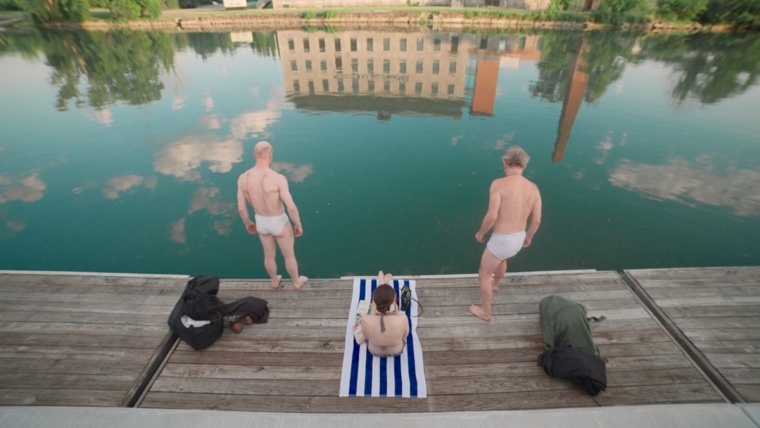
The exhibition is structured into four constellations that coordinate works produced between 2010 and the present day. The first, El barro de la revolución, takes us to the Philippines, to ways of life and ancestral knowledge that mobilise struggles for emancipation and social transformation. The second, The Path of Totality, looks at colonial approaches underlying Western scientific expeditions and is presented as a matrix of questions and methodologies developed by the artist. The third constellation, Dulcinea, takes on two stories of militancy, struggle and political commitment in the context of Franco and the so-called Transition in Spain. Finally, the fourth installation, Se jeter au fond du lac pour conserver sa vie (1), represents a new field of research for the artist, who, intervening in feminist genealogies, examines the ways in which indigenous thought, in particular the Haudenosaunee Confederacy, would have influenced the feminist ideas that were forged around the French Revolution.
These constellations construct a complex and delicate network in which the relationships between specific historical contexts and transversal structural frameworks of socio-political and ideological organisation become palpable. The proposals presented, however, do not aim in any way to question the dominant inherited history in a binary way, but rather to intervene in it and in the tools with which it is constructed, which entails mobilising the social and political structures that support it. This exhibition by Paloma Polo proposes a look back, while delving into the political task of narrating.
(1) This phrase has been taken from a quote by Kandiaronk, political thinker and chief of the Native American Wendat people. The artist has taken it from the book Dialogues, ou Entretiens entre un Sauvage et le baron de Lahontan (1704).
La Virreina Centre de la Imatge
- Address:
- C la Rambla, 99
- :
- Ciutat Vella
- Neighborhood:
- el Raval
- City:
- Barcelona
- When
 From 18/10/2025 to 01/03/2026
 Website
You may also be interested in...
-
Exposició "Diorames de Nadal"
 Where:
- Casal de Barri Bac de Roda - Poblenou
- When:
- Del 05/12/2025 al 09/01/2026
-
Exposició "Catedral de València"
- Where:
- Casal de Barri Bac de Roda - Poblenou
- When:
- Del 16/01/2026 al 06/02/2026
-
‘Invisible Animals: legend, life, extinction and unextinction’
- Where:
- Museu de Ciències Naturals de Barcelona
- When:
- Del 17/05/2025 al 17/05/2026
-
‘Ubú pintor. Alfred Jarry i les arts’
- Where:
- Museu Picasso
- When:
- Del 28/11/2025 al 05/04/2026
-
Dols Queer. El museu acompanya el plor
- Where:
- Museu Nacional d'Art de Catalunya
- When:
- Permanent event
-
‘Antoni Tàpies. The imagination of the world’
- Where:
- Museu Tàpies
- When:
- Del 13/02/2025 al 25/01/2026
-
“Like a Dance of Starlings. MACBA collection: Thirty Years and Infinite Ways of Being”
- Where:
- Museu d'Art Contemporani de Barcelona
- When:
- Del 28/11/2025 al 28/09/2026
-
Helen Levitt
- Where:
- KBr - Barcelona Photo Center
- When:
- Del 24/09/2025 al 01/02/2026
-
Exposició "KAWS"
- Where:
- MOCO Museum
- When:
- Permanent event
-
Exposició 'El valor de l'aigua'
- Where:
- Disseny Hub Barcelona
- When:
- Del 03/10/2025 al 11/01/2026
-
Exposició de pessebres a càrrec de l'Associació de Pessebristes de Barcelona
- Where:
- Associació de Pessebristes de Barcelona
- When:
- Del 05/12/2025 al 11/01/2026
-
‘Planeta Vida’ (Planet Life)
- Where:
- Museu de Ciències Naturals de Barcelona
- When:
- Permanent event
-
Exposició 'Dissenyes o treballes? La nova comunicació visual. 1980-2003'
- Where:
- Disseny Hub Barcelona
- When:
- Permanent event
-
‘Cristina Iglesias. Passatges’
- Where:
- Fundació Catalunya La Pedrera - Sala d'Exposicions
- When:
- Del 09/10/2025 al 25/01/2026
-
Exposició 'Barcelona al carrer. Veure i ser vist. La processó de Corpus'
- Where:
- Museu Diocesà de Barcelona
- When:
- Permanent event
-
‘Montserrat, Mother and Earth’
- Where:
- Museu Frederic Marès
- When:
- Del 29/11/2025 al 24/05/2026
-
Exposició "Bansky"
- Where:
- MOCO Museum
- When:
- Permanent event
-
Exposició "Mestres Contemporanis"
- Where:
- MOCO Museum
- When:
- Permanent event
-
Exposició "Les Sorres X. Un vaixell medieval"
- Where:
- Museu Marítim de Barcelona
- When:
- Permanent event
-
Exposició 'El cos vestit. Siluetes i moda (1550-2015)'
- Where:
- Disseny Hub Barcelona
- When:
- Permanent event
-
Figures from the festive imagery of the neighbourhoods of Sant Martí
- Where:
- Centre d'Imatgeria Festiva de Sant Martí - Can Saladrigas
- When:
- Permanent event
-
Exposició "Heart Space"
- Where:
- MOCO Museum
- When:
- Del 18/09/2025 al 29/03/2026
-
‘Rodoreda, a Forest’
- Where:
- Centre de Cultura Contemporània de Barcelona
- When:
- Del 05/12/2025 al 25/05/2026
-
Exposició "KBr FLAMA’25"
- Where:
- KBr - Barcelona Photo Center
- When:
- Del 24/09/2025 al 01/02/2026
-
Exposició immersiva "Experiència Antàrtica"
- Where:
- Teatre Arenas Barcelona *Arenas de Barcelona
- When:
- Del 11/08/2025 al 31/07/2026
-
Exposició "Mestres Moderns"
- Where:
- MOCO Museum
- When:
- Permanent event
-
‘Som natura’
- Where:
- CaixaForum Barcelona
- When:
- Del 18/09/2025 al 06/04/2026
-
“Voices of the Pacific. Innovation and Tradition”
- Where:
- CaixaForum Barcelona
- When:
- Del 07/11/2025 al 15/02/2026
-
‘[Rec]ords. La vida a través del cinema domèstic’ (Memories. Life through Home Movies)
- Where:
- CaixaForum Barcelona
- When:
- Del 03/12/2025 al 07/06/2026
-
‘Project a Black Planet: The Art and Culture of Panafrica’
- Where:
- Museu d'Art Contemporani de Barcelona
- When:
- Del 06/11/2025 al 06/04/2026
-
Exposició 'Elena del Rivero. Transitar “La Quema”'
- Where:
- Museu Tàpies
- When:
- Del 08/07/2025 al 22/03/2026
-
425 Aniversari dels Gegants del Pi
- Where:
- Activitats a diferents equipaments de la ciutat
- When:
- Del 01/01/2026 al 31/12/2026
-
"Miró and the United States"
- Where:
- Fundació Joan Miró - Museu
- When:
- Del 10/10/2025 al 22/02/2026
-
'Matter Matters. Designing with the World'
- Where:
- Disseny Hub Barcelona
- When:
- Permanent event
-
Exposició "Qüestió de perspectives"
- Where:
- Casal de Barri Bac de Roda - Poblenou
- When:
- Del 13/03/2026 al 10/04/2026
-
‘En el mar de Sorolla con Manuel Vicent’
- Where:
- Palau Martorell
- When:
- Del 05/12/2025 al 06/04/2026
-
Exposició "Art Digital Immersiu"
- Where:
- MOCO Museum
- When:
- Permanent event
-
Exposició "Esplendor de la Noche"
- Where:
- MOCO Museum
- When:
- Del 12/03/2025 al 31/03/2026
-
Sustainable ice rink at L’Illa Diagonal
- Where:
- Pista de patinatge sostenible *Illa Diagonal - Jardins de Sant Joan de Déu
- When:
- Del 29/11/2025 al 11/01/2026
-
Visites guiades al Museu Europeu d'Art Modern
- Where:
- Museu Europeu d'Art Modern
- When:
- Permanent event
-
Exposició permanent de pintura contemporània 'Una col·lecció permanentment canviant'
- Where:
- Fundació Privada Vila Casas - Museu de Pintura Contemporània Can Framis
- When:
- Permanent event
-
The Lights of Sant Pau
- Where:
- Sant Pau Recinte Modernista
- When:
- Del 20/11/2025 al 11/01/2026
-
‘Tinta contra Hitler. Mario Armengol, caricaturista a la Segona Guerra Mundial’
- Where:
- Museu Nacional d'Art de Catalunya
- When:
- Del 08/10/2025 al 11/01/2026
-
Programa 'Art, Guerra i memòria': Exposició 'Dibuixos del Museu Nacional. Espurnes de la guerra (1914-1918)'
- Where:
- Museu Nacional d'Art de Catalunya
- When:
- Del 08/10/2025 al 11/01/2026
-
Ramon Calsina. ‘Misèries humanes’ [Human Miseries]
- Where:
- Fundació Privada Vila Casas - Espais Volart
- When:
- Del 19/09/2025 al 18/01/2026
-
‘The Trains of the Centenary: The Railway Heritage of the Barcelona Metro’
- Where:
- Esplanada davant del Centre Cultural la Farinera del Clot
- When:
- Del 15/11/2025 al 10/01/2026
-
Pedralbes Monastery Nativity Scene
- Where:
- Museu Reial Monestir de Santa Maria de Pedralbes
- When:
- Del 13/12/2025 al 02/02/2026
-
‘Sala Univers’
- Where:
- CosmoCaixa Barcelona
- When:
- Permanent event
-
Experiència immersiva "Catalunya: Patrimoni viu"
- Where:
- Palau Moja
- When:
- Del 09/12/2024 al 31/12/2026
-
'Bosc Inundat'
- Where:
- CosmoCaixa Barcelona
- When:
- Permanent event
-
Exposició permanent del Museu Picasso
- Where:
- Museu Picasso
- When:
- Permanent event
-
Exposició "Figurativas 2025"
- Where:
- Museu Europeu d'Art Modern
- When:
- Del 03/10/2025 al 11/01/2026
-
‘Extraterrestrials. Is there life beyond Earth?’
- Where:
- CosmoCaixa Barcelona
- When:
- Del 26/02/2025 al 30/08/2026
-
Exposició 'Els museus de ciències naturals de Catalunya'
- Where:
- Museu de Ciències Naturals de Barcelona
- When:
- Permanent event
-
‘Poetry has just begun. 50 Years of the Miró’
- Where:
- Fundació Joan Miró - Museu
- When:
- Del 11/06/2025 al 06/04/2026
-
Exposició "the New FuTure"
- Where:
- MOCO Museum
- When:
- Del 12/03/2025 al 20/04/2026
-
‘Leonardo versus Michelangelo’
- Where:
- Centre d'Arts Digitals l'Ideal
- When:
- Del 17/09/2025 al 31/01/2026
-
Exposició "Astronomia"
- Where:
- Casal de Barri Bac de Roda - Poblenou
- When:
- Del 13/02/2026 al 06/03/2026
 Markets
 Charming spots
 Food and drink
 Nature and beaches
 Take up sport